HOPEWORKS GLOBAL, INC.
Prevent child exploitation before harm escalates.
HopeWorks Global, Inc. helps families, caregivers, and organizations put child-exploitation prevention into practice through role-specific training, individualized guidance, safeguarding support, and connections to qualified services.
Prevention starts with recognition, practical knowledge, and a safer next step.
Inspired by Proverbs 31:8–9, our mission is to prevent child exploitation and victimization, speak up for those who cannot speak for themselves, and advance justice for people facing poverty and need. We equip children, families, caregivers, organizations, and communities to recognize risk, respond safely, and strengthen protection.
Four connected areas of work.
HopeWorks Global, Inc. combines prevention education, practical guidance, organizational readiness, and advocacy so people and systems are better prepared to protect children.
Build recognition before the moment of concern.
Training, digital-safety education, role-specific learning, and practical tools help people recognize risk and respond safely.
Clarify the next safe step and resource navigation.
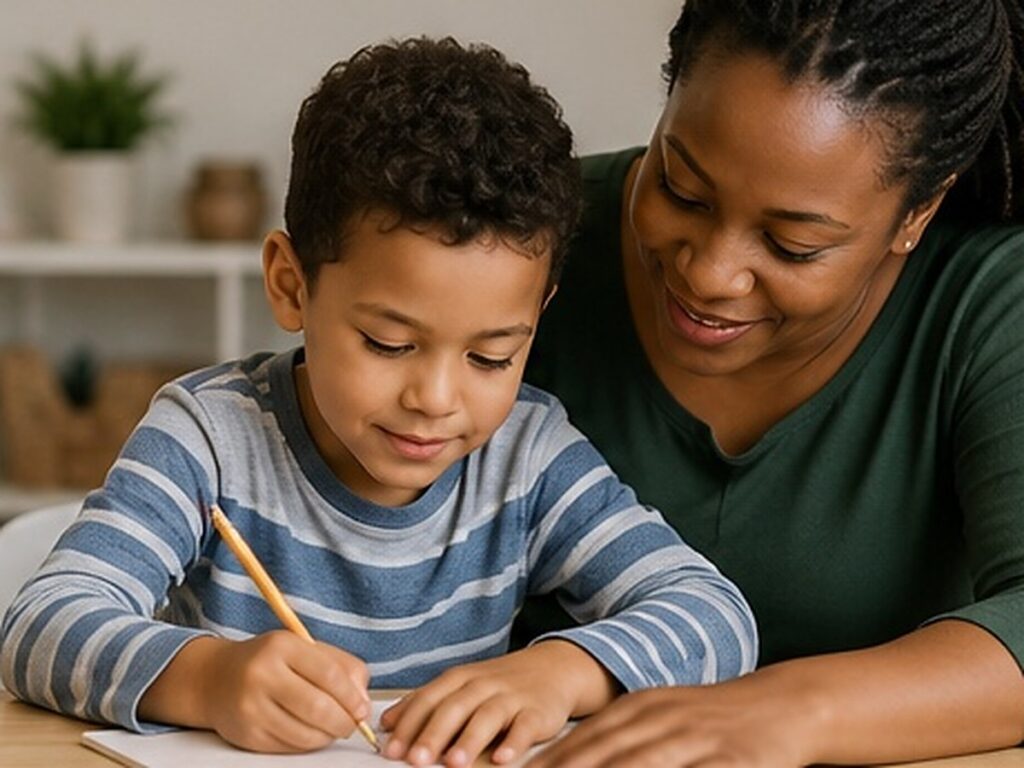
Caregiver guidance, individualized protection planning, practical resource navigation, and warm referrals support safer action within a defined scope.
Strengthen policies and response pathways.

Safeguarding guidance, policy support, reporting pathways, documentation practices, and implementation assistance help organizations prepare staff and volunteers.
Strengthen protection beyond a single training.
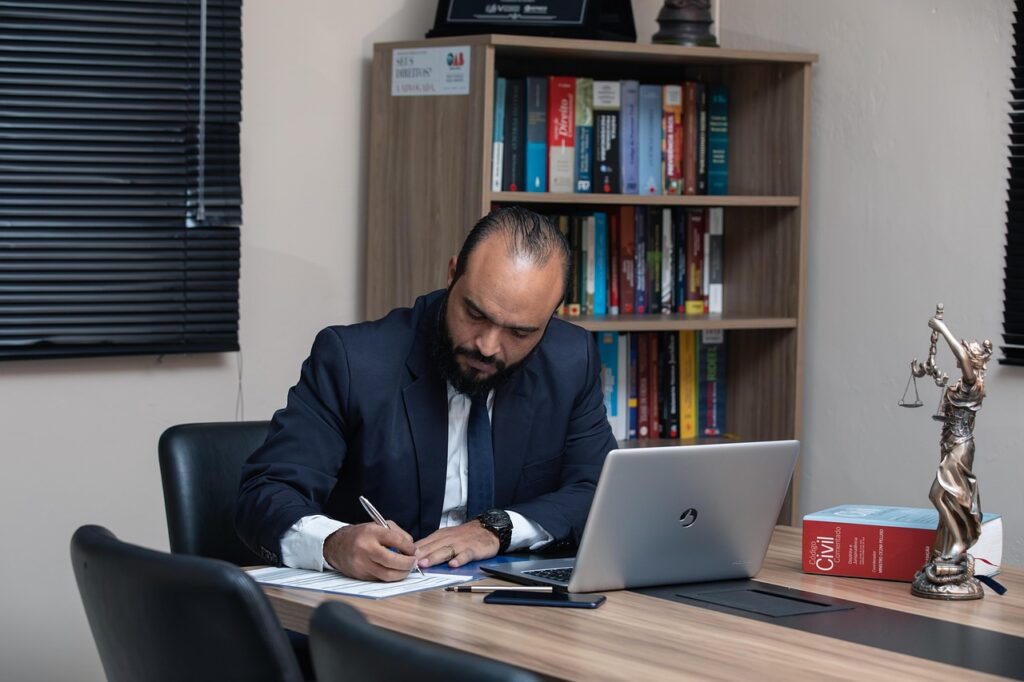
Nonpartisan legislative engagement, policy education, community outreach, coalition work, and prevention campaigns strengthen the systems around children.
HopeWorks VITAL fills an accessibility gap in prevention.
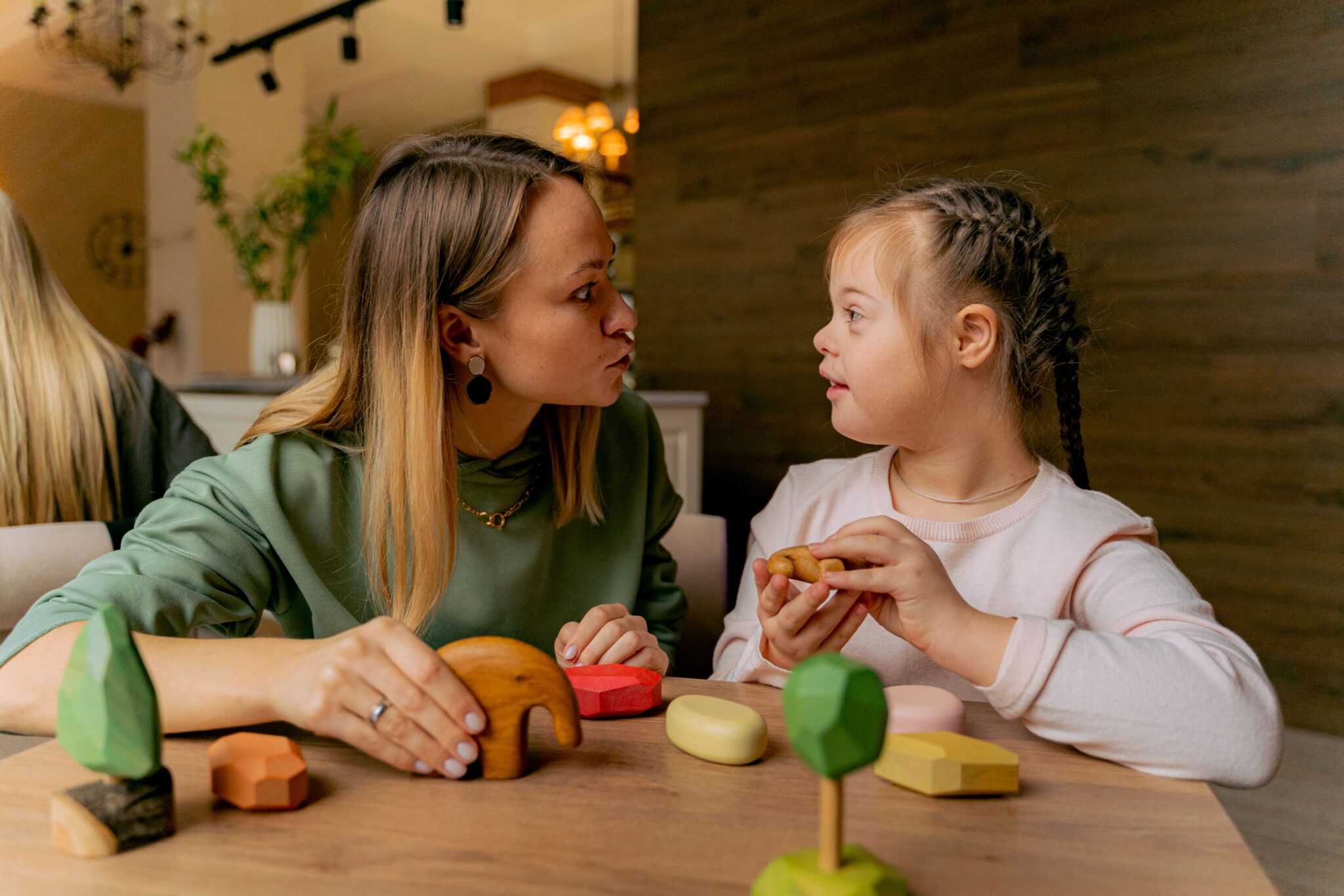
Standard prevention materials do not work equally well for every child. VITAL extends HopeWorks Global, Inc.’s prevention work for children and youth who benefit from adapted communication, learning, sensory, mobility, or support approaches.
Caregiver and professional support is available now while an adapted child- and youth-facing curriculum is being developed.
Training that turns awareness into safer action.
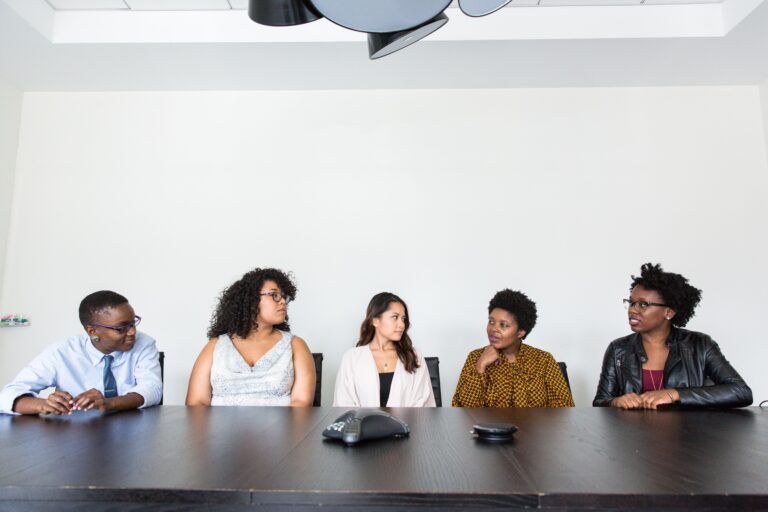
HopeWorks Global, Inc. provides facilitated prevention training shaped to your audience, setting, responsibilities, and access needs. Work through practical questions about recognizing concerns, responding within your role, and using appropriate reporting and referral pathways.
Follow prevention guidance, policy updates, and HopeWorks news.
Explore stories of change, advocacy updates, legislative developments, prevention guidance, training milestones, newsletters, and organizational news.
What you will find
- Stories of change and lessons from practice
- Nonpartisan advocacy and legislative updates
- Child-exploitation and online-safety guidance
- HopeWorks VITAL updates
- Newsletters and organizational announcements
Support the work in the way that fits you.
Build the Base
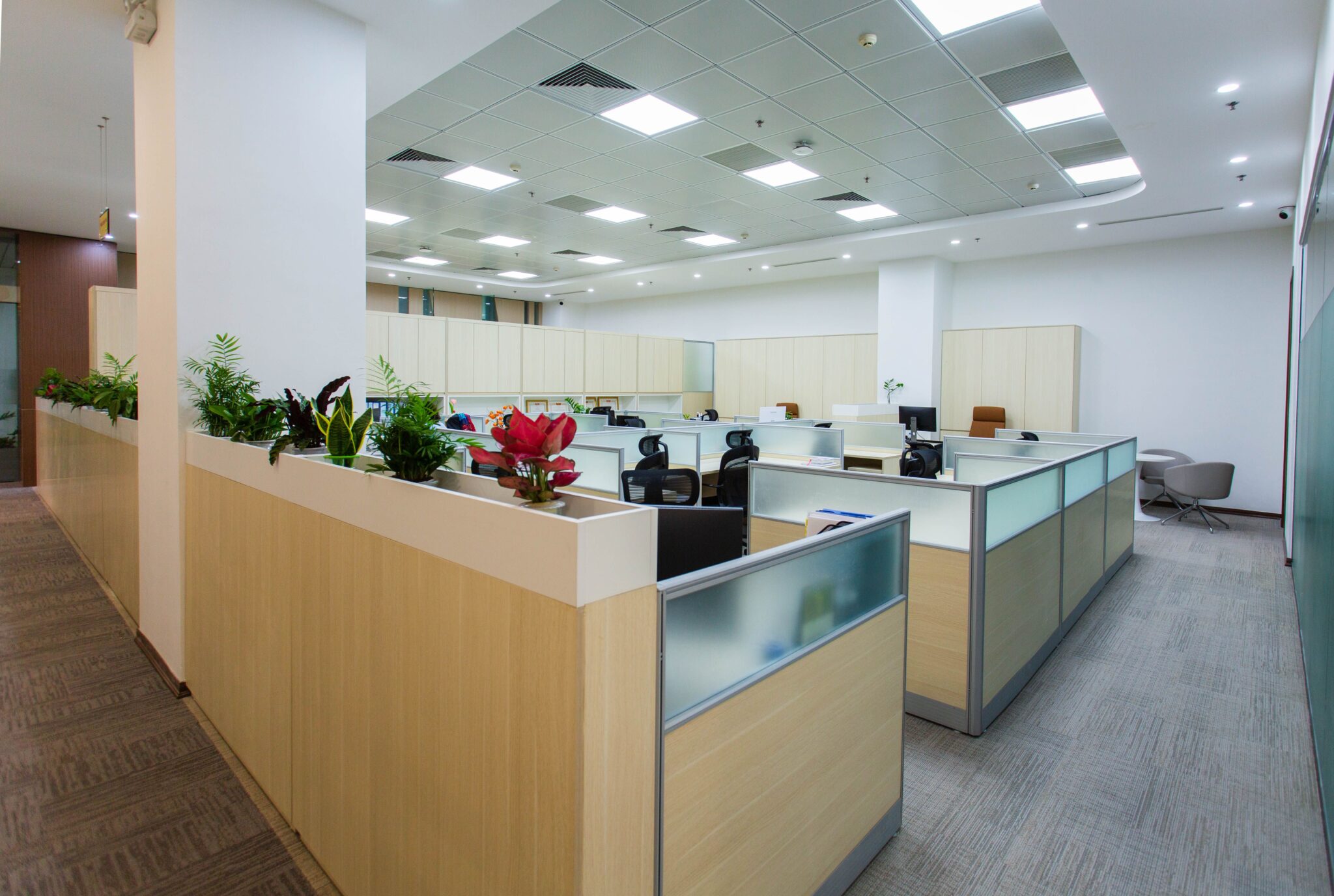
Help strengthen the operational foundation behind HopeWorks Global’s prevention work, including training, educational resources, technology, and community partnerships.
Build VITAL
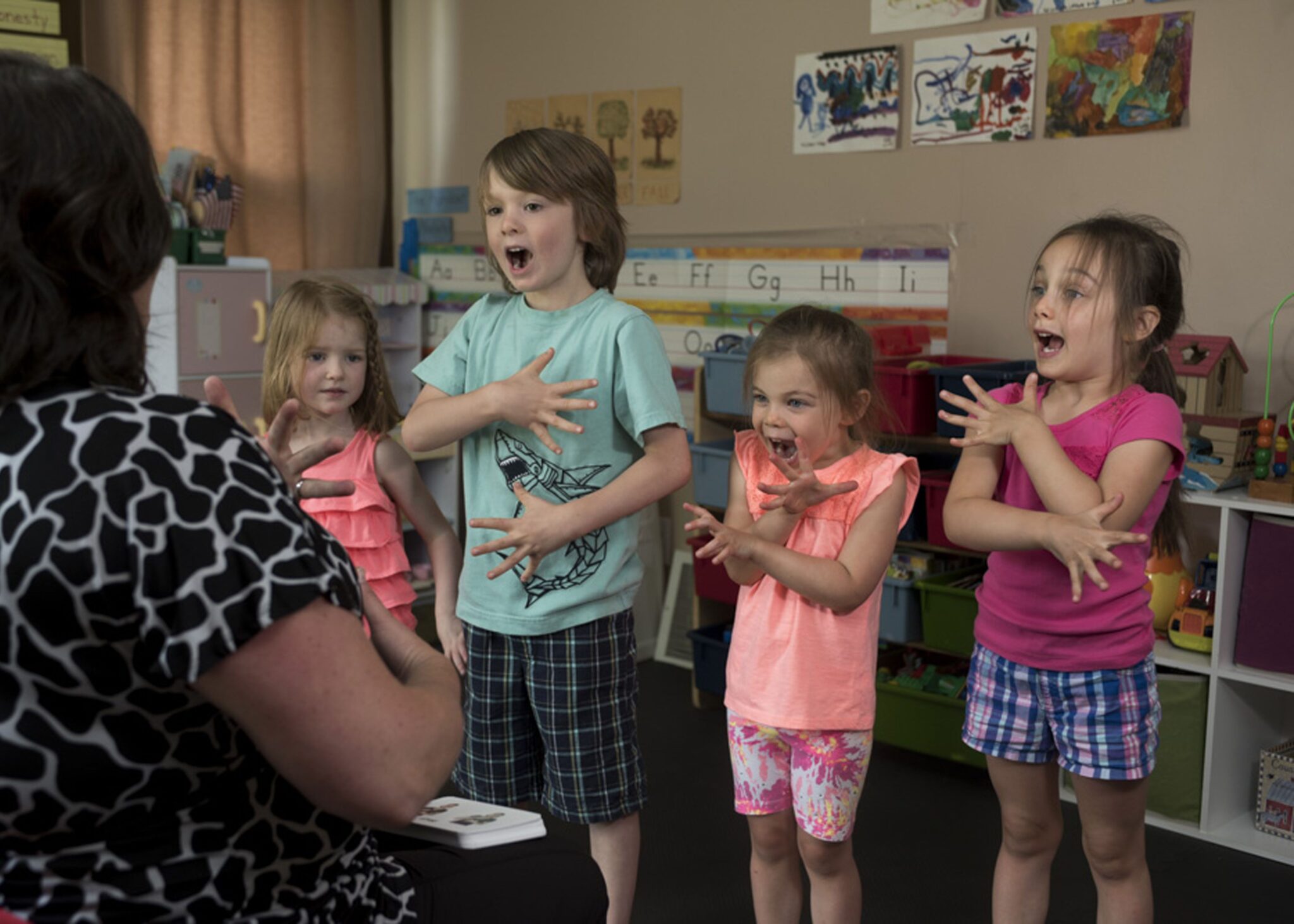
Help develop accessible prevention modules with American Sign Language, captions, transcripts, Braille, large-print materials, and accessibility review.
HopeWorks Kenya
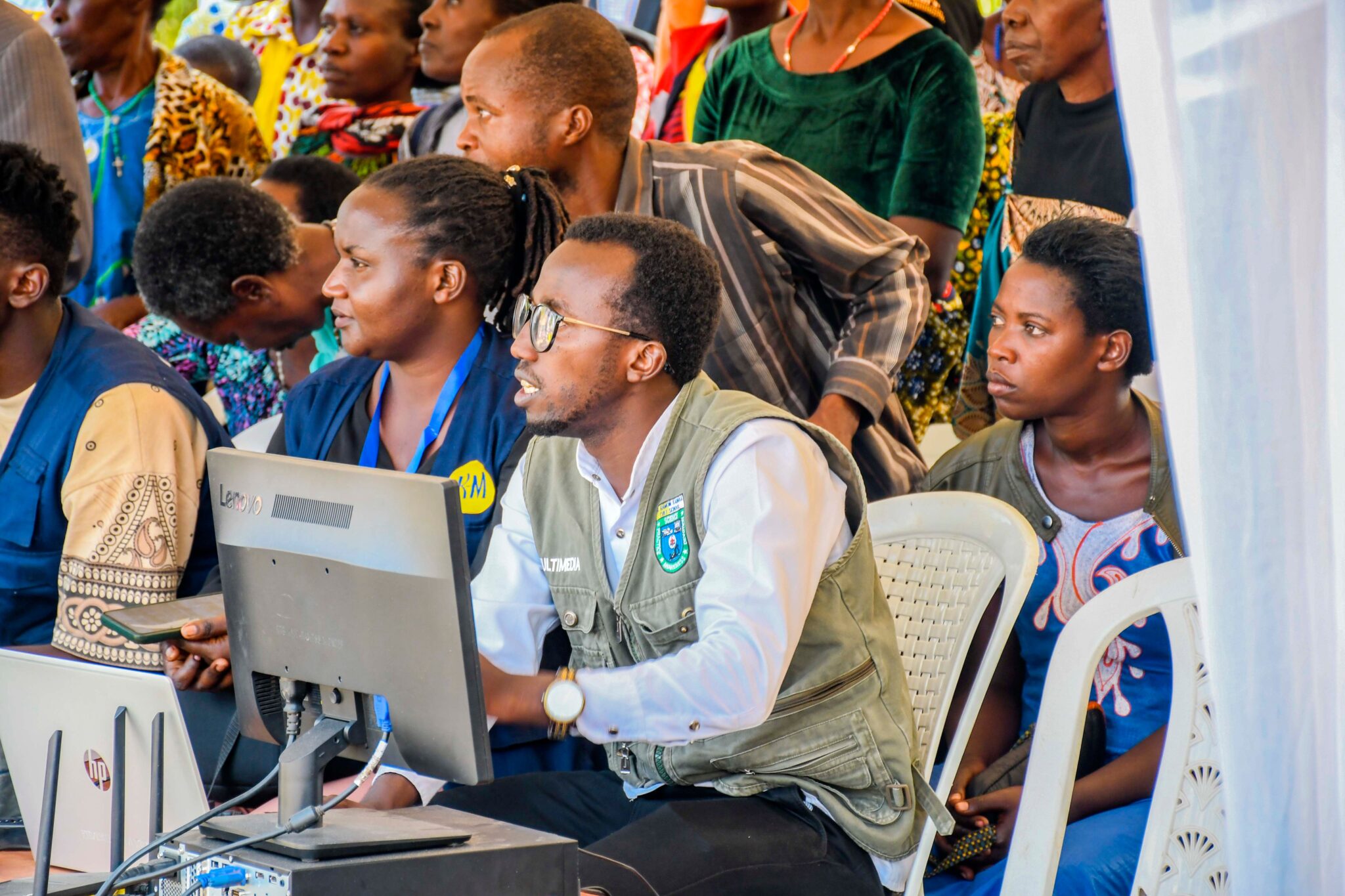
Help establish HopeWorks Global Kenya and develop locally informed water-access and inclusive-education projects that strengthen community conditions and reduce vulnerability.
Bring practical prevention to your organization or community.
Request training, start a partnership conversation, or support community access to prevention education.